Model entry point
Use the kling 3.0 ai video generator
The kling 3.0 ai video generator gives you a focused starting point for planning, directing, and reviewing AI video. Use this guide to understand where it fits inside Kling AI before you create.
Related workflows
More ways to create with Kling AI
Choose the entry point that matches your source material, then keep the same habits: describe the subject, direct the motion, and review each result.
Starting workflow
How to start
A reliable first pass is short and specific. Build the scene in layers instead of asking for every visual detail at once.
-
1
Describe the shot
Name the subject, setting, time of day, camera view, and the main action. Keep the first prompt concrete enough to evaluate.
-
2
Direct the movement
Add one clear motion instruction, such as a slow push-in, a subject crossing the frame, or fabric moving in the wind.
-
3
Review the result
Check identity, continuity, framing, and motion. Revise the weakest instruction rather than rewriting the entire prompt.
Prompt progression
From a broad idea to a directed shot
The strongest improvement usually comes from making the action and camera behavior explicit, not from adding decorative adjectives.
- Broad prompt
- Directed prompt
Add one motion and one camera cue at a time.

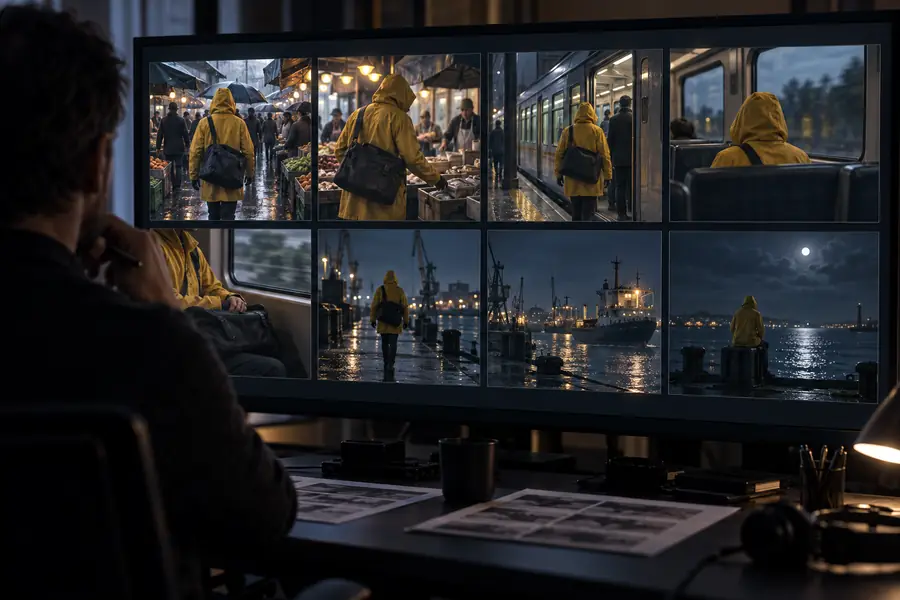
Core capabilities
The 3 things only it does
Treat this entry point as three connected jobs: establish the scene, guide its motion, and inspect the generated clip before iterating.
- 1 Set the subject, place, atmosphere, and visual context.
- 01 scene
- 2 Specify what moves, how it moves, and where the camera looks.
- 02 motion
- 3 Compare the result with the prompt and refine the weakest detail.
- 03 review
Workspace comparison
This entry point vs the general one
The focused 3.0 entry point is useful when you already know the scene you want to direct. The broader Kling AI workspace is better when you are still choosing a creation path.
Kling 3.0 entry point
General Kling AI workspace
Primary purpose
Kling 3.0 entry point
Focused video generation workflow
General Kling AI workspace
Broader access to Kling AI creation tools
Best starting material
Kling 3.0 entry point
A defined scene or shot idea
General Kling AI workspace
A question about which tool to use
Prompt emphasis
Kling 3.0 entry point
Subject, action, camera, and atmosphere
General Kling AI workspace
Choosing between available creation modes
Iteration style
Kling 3.0 entry point
Revise the shot direction directly
General Kling AI workspace
Move between tools as the idea develops
Useful for
Kling 3.0 entry point
Testing a specific cinematic concept
General Kling AI workspace
Exploring image, video, and motion workflows
First decision
Kling 3.0 entry point
What should happen in the clip?
General Kling AI workspace
Which Kling AI workflow fits the source?
Review focus
Kling 3.0 entry point
Continuity, framing, and movement
General Kling AI workspace
Tool choice, inputs, and output format
Common questions
Kling 3.0 AI video generator FAQ
These answers cover the practical questions that come up when deciding whether this focused entry point fits your next video idea.
It is a focused Kling AI entry point for creating video from a described scene and directed motion. It is most useful when you already have a clear shot idea and want to move from prompt to review.
You can develop short visual scenes with a defined subject, setting, action, and camera direction. Results depend on the clarity of the prompt and how well the requested motion fits the scene.
The focused workflow puts scene direction first, while the broader Kling AI workspace can help you choose among several creation paths. Use the focused route when you know the type of video you want to attempt.
Start with the subject, location, action, camera view, and visual mood. Add one main movement instruction, generate a first pass, then revise the detail that caused the biggest mismatch.
Review the subject, motion, framing, continuity, and overall match to your prompt. If one element is weak, change that instruction specifically instead of adding many new details at once.